
Advertisement
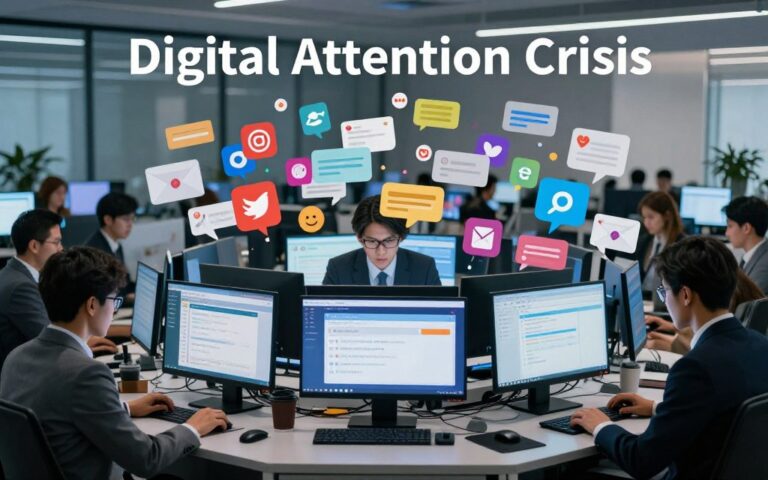
Americans now spend over 7 hours a day on screens on average. This steady stream of alerts and short videos affects our focus duration.
Everyday digital habits such as constant notifications from Apple and Android devices create persistent distractions. Endless feeds on TikTok and Instagram add to this. The urge to check email and messages worsens the problem.
Research from Pew Research and Nielsen shows rising screen time effects. There are more device sessions and more notifications. This leads to more fragmented attention. These interruptions increase cognitive load and cause information overload.
This problem undermines reading comprehension, deep work, and selective attention. People jump between apps, tabs, and messages without focus.
In the sections that follow, we will define attention span and examine the science behind digital distractions. We will also look at social media and short-form video impacts.
Additionally, we will explore links to mental health and share practical strategies like digital detox, mindfulness, and classroom and workplace approaches.
If you are a student, professional, parent, or anyone noticing slipping concentration, read on. Find clear, actionable steps to lengthen your attention span and reduce harmful screen time effects.
Understanding Attention Span and Its Importance
Attention means the mental ability to focus on a task. Cognitive psychologists say attention span is how long someone can concentrate before distractions occur. Researchers like Daniel Kahneman view attention as a limited resource shared across tasks.
What is Attention Span?
Attention span includes several abilities. Sustained attention means keeping focus on one task for a long time. Selective attention is about filtering out distractions to focus on important information.
Divided attention, or multitasking, splits focus. This splitting lowers how well each task is done.
Why Attention Span Matters
Clear focus supports better reading and deeper learning. Students who keep sustained attention tend to score higher on tests. They also remember the material for longer.
In work settings, strong focus improves productivity. It reduces errors and helps solve problems faster. Safety also depends on attention.
For example, drivers who lose focus face more crash risk. Creative work grows with uninterrupted concentration, helping complex ideas form. Poor attention makes tasks feel harder by raising mental effort.
Factors Affecting Attention Span
Biological factors affect focus. Age, sleep, nutrition, and mental health change how long someone can concentrate. Conditions like anxiety or depression reduce attention span and make filtering distractions harder.
Environmental factors also affect attention. Noise, clutter, and interruptions add mental load. More information means less space in working memory. Studies show long screen time and many notifications hurt sustained attention and reading skills.
| Factor | Effect on Focus | Typical Impact |
|---|---|---|
| Sleep quality | Improves ability to sustain attention | Better recall, higher task accuracy |
| Nutrition | Supports concentration and energy | Steadier focus throughout the day |
| Mental health | Anxiety and depression reduce selective attention | Shorter attention span, more errors |
| Environmental distractions | Increase cognitive load and task switching | Lower sustained attention, poorer comprehension |
| Screen time & notifications | Fragment attention and encourage multitasking | Decreased reading comprehension and overall focus |
The Role of Technology in Attention Span Decline
Technology shapes how we think and work. Rising daily screen hours change routines and habits across age groups.
Studies from Pew Research and the American Psychological Association link higher device use with weaker sustained attention.
They also find lower reading comprehension associated with more screen time.
Researchers measure clear screen time effects on classroom performance and standardized tasks. Young people report more hours on phones and tablets.
Lab tests show shorter focus windows when screens are present. Surveys reveal heavy device use slows recovery after interruptions.
Screen Time and Its Impact
Large surveys document rising screen exposure for children and adults. Higher daily hours lead to lower scores on tasks needing long attention.
Reading comprehension drops when people split attention between text and notifications.
Experiments find longer times to resume work after interruptions. Multitasking causes poorer quality deep work and more errors on complex tasks.
Schools and workplaces notice reduced sustained effort when devices remain nearby.
The Science Behind Digital Distractions
Frequent task switching raises cognitive load and creates switch costs. Each break makes the brain spend extra time refocusing.
Over time, executive control resources drain faster, making long focus harder to maintain.
Apps and notifications drive short reward cycles through dopamine feedback loops. This encourages repeated checking and makes extended attention less appealing.
Neural plasticity means repeated short attention episodes strengthen habits for quick switching.
Lab and field studies show lower scores on attention tests and increased time to regain focus. Deep work periods become fragmented.
Real-world experiments find similar declines when phones are in sight. Social platforms and short-form content amplify these effects as explained later.
Social Media: A Double-Edged Sword
Social platforms give us quick connection, news, and creative outlets. They also create constant temptation that chips away at focus.
This section looks at how push alerts and different consumption habits shape attention and fuel information overload.
The Pull of Notifications
Notifications from Facebook, Instagram, X, TikTok, LinkedIn, and messaging apps are built to interrupt. App designers use variable rewards to keep people checking.
A single ping can trigger a quick dopamine hit, followed by the urge to open the app.
Studies show that even a silent phone in the room reduces working memory and task performance. The mere presence of a device increases susceptibility to distraction.
This lowers sustained focus.
Comparing Social Media Consumption Patterns
People consume social media in distinct ways. Passive scrolling on endless feeds, common on Facebook and Instagram, fragments attention.
Active engagement, such as commenting, messaging, or creating posts, requires deeper focus but can still consume time.
Platform differences matter. X pushes fast text updates that demand quick scanning. Instagram centers on visuals and slower browsing.
TikTok stacks short algorithmic videos that encourage rapid, repeated viewing. These patterns shape selective attention in different directions.
Demographics show clear trends. Younger users favor short-form video and rapid browsing. Older users prefer longer articles, news feeds, or community groups.
Use-cases matter too: people who use social media to socialize behave differently than those seeking news or entertainment.
The net effect is more frequent context switching, a shorter attention span on complex tasks, and growing information overload.
Curated, hyper-relevant feeds keep users engaged while fragmenting their attention across many small items.
This sets the stage for the next discussion on short-form content.
The Rise of Short-Form Content
Short-form content has changed how people consume media. Platforms like TikTok and Instagram Reels offer quick, vivid clips. These clips fit well between tasks and during short breaks.
Why we find these apps compelling
TikTok and Instagram Reels use algorithms to show clips that match each user’s tastes. Short runtimes and autoplay create a steady flow of small rewards. The endless scroll and ranking systems serve unpredictable content, which keeps viewers watching longer.
Both platforms grew quickly among Gen Z and millennials. Their design encourages frequent visits and repeat sessions. This growth drives cultural trends and fuels fast sharing of music, humor, and ideas.
How short, attention-grabbing media affects focus
Using attention-grabbing media often trains the brain for quick stimulation. This can reduce tolerance for slower tasks like long reading or deep study. Studies link heavy short-form use with shorter attention spans and more multitasking.
Reduced focus affects reading comprehension and the ability to work without interruptions. When fast clips become the norm, people feel restless during long tasks. They then seek constant new stimulation.
Practical preview of moderation tips
Short-form content can be fun and useful when used mindfully. Later sections cover strategies like setting time limits and taking breaks. These tips help protect focus while keeping social sharing and creativity benefits.
| Feature | TikTok | Instagram Reels |
|---|---|---|
| Typical clip length | 15–60 seconds | 15–90 seconds |
| Primary growth group | Gen Z and young adults | Millennials and Gen Z |
| Engagement mechanics | For You feed, rapid algorithmic swaps | Explore, suggested Reels in feed |
| Design elements that boost watch time | Autoplay, duet/remix features, trending audio | Autoplay, remix tools, in-app editing |
| Cognitive trade-offs | Higher novelty seeking, shorter focus duration | Increased multitasking, lower tolerance for long reads |
The Effect of Multitasking on Focus
Multitasking seems efficient. The reality shows costs to our attention span and work quality. Small habits like checking email during calls increase divided attention and cognitive load. This passage explains how task switching differs from true multitasking. It also offers practical ways to protect focus.
How multitasking is reducing our attention span
True multitasking rarely happens with complex tasks. Most people switch quickly between duties. Each switch brings a cost: slower work and more errors.
Research from Stanford and the University of Michigan shows frequent multitaskers struggle with attention control and working memory tests.
Notifications, background media, and simultaneous apps create an illusion of productivity. This masks the steady loss of sustained focus. Repeated interruptions make deep work harder and shorten attention span over time.
Strategies to combat multitasking
Adopt single-tasking. Work on one task without interruption for a set time. Techniques like Pomodoro break work into focused intervals with short breaks.
This reduces divided attention and lowers cognitive load during deep work.
Disable nonessential notifications and batch communication into set periods. Use app blockers such as Freedom or RescueTime to limit distracting sites. Tools like Focus@Will support focused sessions.
Set clear goals and prioritize tasks before starting work. Schedule deep work during peak focus times, often mornings.
Physically, turn your phone face down or leave it in another room to avoid temptation.
Small consistent changes protect attention span and improve work quality. Reducing divided attention lowers mental friction and helps maintain clarity when it matters most.
The Connection Between Attention Span and Mental Health
Short attention spans often happen with mood changes. Stress, poor sleep, heavy social media use, and constant alerts worsen anxiety and depression. These shifts lower working memory and make tasks, like reading, harder.
Anxiety, Depression, and Focus
Research shows anxiety and depression hurt concentration. Digital distractions increase worry and low mood. Fear of missing out and social comparisons raise anxiety and disrupt sleep.
These issues reduce the brain’s ability to focus. Surveys say stress and rumination cause short attention spans. Lack of sleep and device use also harm attention.
Selective attention weakens, making multitasking feel needed but less effective.
Mindfulness as a Solution
Mindfulness can help rebuild focus. Focused breathing, body scans, and mindful walking train the brain to stay on task. Short daily sessions boost sustained and selective attention.
Apps like Headspace, Calm, and Insight Timer offer guided meditations. Using these with breaks, single-tasking, and less device use supports attention and mental health.
For tips on refocusing, see this guide on refocusing. It offers simple steps you can try today.
| Challenge | How It Affects Focus | Quick Mindfulness Fix |
|---|---|---|
| Stress and rumination | Shorter attention span, racing thoughts, poor working memory | Five minutes of focused breathing to ground attention |
| Poor sleep | Slower processing, reduced selective attention | Body scan before bed to calm the nervous system |
| Digital distraction | Frequent task switching, lower reading comprehension | Set phone-free windows and try mindful walking |
| Multitasking | Shallow focus, increased errors | Use timed single-task sprints with short breaks |
| Isolation or low mood | Reduced motivation, attention drift | Brief guided meditation plus social check-in |
Strategies to Improve Your Attention Span
Short, practical steps can rebuild your focus over time. Start with small changes that reduce screen time effects. Use routines that fit your day and track small wins to build lasting habits.
Digital Detox: How It Works
A digital detox means cutting back or stopping nonessential device use for a while. Options include a full-day detox, a weekend detox, or hourly device-free breaks.
Pick the option that fits your schedule best. Begin by checking your app use with screen time reports on iOS or Android.
Set clear, realistic goals and inform key contacts about your limited availability. Use Do Not Disturb or Focus modes to help keep boundaries.
Research shows regular detoxes improve attention, boost mood, and help with sleep when done often. Think of each detox as training for longer focus times.
Mindfulness and Focus Techniques
Simple focus methods work quickly. Try the Pomodoro method with 25/5 intervals or change to 50/10 if you wish.
Start with five to ten minutes of meditation and add time each week. Practice focused-breathing sessions, anchored reading with notes, and single-task journaling to stay on one task.
Use apps like Headspace, Waking Up by Sam Harris, or Focus@Will if you want guided sessions. Combine mindfulness with set deep work times.
Over weeks, these small habits grow your ability to focus for longer stretches.
Creating a Better Environment for Concentration
Design your workspace to reduce interruptions. Clear your desk, improve lighting, and get ergonomic seating to lower fatigue.
Control noise using noise-canceling headphones or ambient sound apps. Set boundaries with coworkers and family.
Use physical signs like a closed door to show when you need focus. Block peak focus times from meetings and chats.
Limit open tabs and close apps you don’t need. Use full-screen reading modes and start work with simple rituals to prepare your mind.
These changes help you keep focus for longer periods. Build habits slowly using steady routines and small changes.
Track your progress with a journal or productivity log. Over weeks, these steps cut screen time effects and boost your sustained attention.
| Strategy | Action Steps | Expected Benefit |
|---|---|---|
| Digital Detox | Audit screen time, set goals, use Do Not Disturb, schedule device-free windows | Fewer interruptions, better mood, improved sleep |
| Pomodoro & Mindfulness | 25/5 cycles, 5–10 min meditations, anchored reading, single-task journaling | Stronger focus, gradual increase in sustained attention |
| Workspace Design | Declutter, optimize lighting, noise control, physical focus cues | Clearer concentration, reduced cognitive load |
| Habit Tracking | Daily logs, weekly reviews, small incremental goals | Consistent progress, habit formation, resilience against screen time effects |
The Role of Education in Attention Span Development
Schools influence how students learn to focus. Thoughtful education can boost selective attention and reading skills. Teachers, families, and leaders all help build strong concentration.
Teaching Methods that Foster Focus
Active learning and chunked lessons keep content easy to understand. Short segments with quick checks help students practice focus without getting tired.
Low-stakes tests and project-based learning make students more involved. These methods give chances to use knowledge and improve thinking about thinking. When teachers show note-taking and questioning, students learn to track focus and understand better.
Age-appropriate training, like brief tasks for younger kids and longer ones for teens, grows attention skills over time. Reducing classroom distractions helps students concentrate more easily.
Incorporating Technology Wisely in Education
Classroom technology should support deep learning, not just passive use. Useful apps can help problem-solving. Platforms like Google Classroom keep materials organized so students focus more on learning.
Flipped classrooms have students watch videos or do readings at home. Class time then focuses on discussions and hands-on work. This method uses tech to prepare students and face-to-face time to boost focus.
Teachers must learn to balance tech use with avoiding multitasking and overload. Clear goals, set device times, and rules limiting distractions keep students attentive.
Parents and schools benefit from shared guidance. Setting screen time for homework, quiet study spaces at home, and school rules on devices create steady habits. Teamwork between teachers and families helps kids practice focus all day.
| Strategy | Purpose | Classroom Example |
|---|---|---|
| Chunked Lessons | Reduce overload and sustain focus | 20-minute mini-lectures with 5-minute practice tasks |
| Active Learning | Increase engagement and retention | Think-pair-share and hands-on experiments |
| Metacognitive Training | Improve self-monitoring and reading comprehension | Daily summarization and self-questioning routines |
| Structured Tech Use | Leverage tools while limiting distractions | Flipped lessons plus in-class collaborative projects |
| Family-School Policies | Create consistent attention habits | Homework quiet time and agreed screen-time limits |
Attention Span in the Workplace
Shifts in attention span at work change how teams plan, meet, and deliver. Small interruptions add up quickly. When workers switch tasks often, projects take longer and errors rise.
The Cost of Reduced Focus on Productivity
Studies show constant email and messaging steal one to two hours of productive time per employee daily. Task switching from chat alerts and calendar overload shortens focus and increases mistakes.
Lost time raises project costs and lowers creativity. Teams need longer timelines when deep work windows disappear. Burnout happens when staff cannot finish meaningful work due to digital distractions.
Techniques for Enhancing Workplace Attention
Employers can set meeting-free focus hours and promote asynchronous norms in tools like Slack and Microsoft Teams. Scheduled email checks and quiet spaces help lengthen focus for deep tasks.
Train staff in time-blocking and prioritization. Offer short mindfulness breaks. Use apps like RescueTime, Freedom, or Toggl to show how multitasking affects daily flow.
Leaders should model focused behavior and limit after-hours messaging to protect cognitive bandwidth. Hybrid schedules balance collaboration and deep work, boosting productivity and employee wellbeing.
Conclusion: Reclaiming Our Attention Span
Digital life has made information abundant but focus scarce. Simple, steady choices can help reclaim attention span and reduce information overload.
Small changes add up: audit screen time, disable or customize notifications, and set app limits that support intentional technology use.
Making Conscious Choices with Technology
Choose content on purpose and balance short-form media with activities that build sustained attention, like reading a book or doing deep work.
Use focus modes and digital hygiene. Turn off nonessential alerts, schedule social media blocks, and create device-free routines to protect focus.
Final Thoughts and Recommendations
Start small: try 5–10 minute mindfulness sessions, one device-free meal each day, and a weekly digital detox window.
In workplaces and schools, adopt habits that shield concentration. If anxiety or depression harms attention, seek professional help.
Gradual, consistent practice rebuilds sustained attention, boosts reading comprehension, and improves productivity and well-being.
Try one change this week, track any shift in focus duration, and share what works with friends or colleagues.
This helps foster better attention health across your community.